Your Advocate in the Age of AI.
Your Advocate in the Age of AI.
Reducing Manual Work Through Intelligent Automation
Reducing Manual Work Through Intelligent Automation

Is Your Business Ready for Automation?
Listen for these signals in your organization:

The Sierra Peak Advantage
We Vet. We Curate. You Grow.
Core AI Solutions
Agent-Based AI Automation:
These agents perform tasks based on defined rules, such as monitoring inboxes, triggering actions when conditions are met, and automatically updating systems.
AI Assistants for Teams
These tools reduce administrative burdens by drafting summaries, answering internal questions, and finding information across disparate systems.
Responsible AI Deployment:
This focuses on practical AI designed with oversight, including human-in-the-loop workflows, secure integration, and governance controls.
Workflow Automations
Intake and Onboarding:
Streamlining the entry process for new clients or employees.
Ticket Triage and Routing:
Automatically directing support requests to the correct departments.
Status Updates and Reporting:
Providing automated real-time visibility into project or task progress.
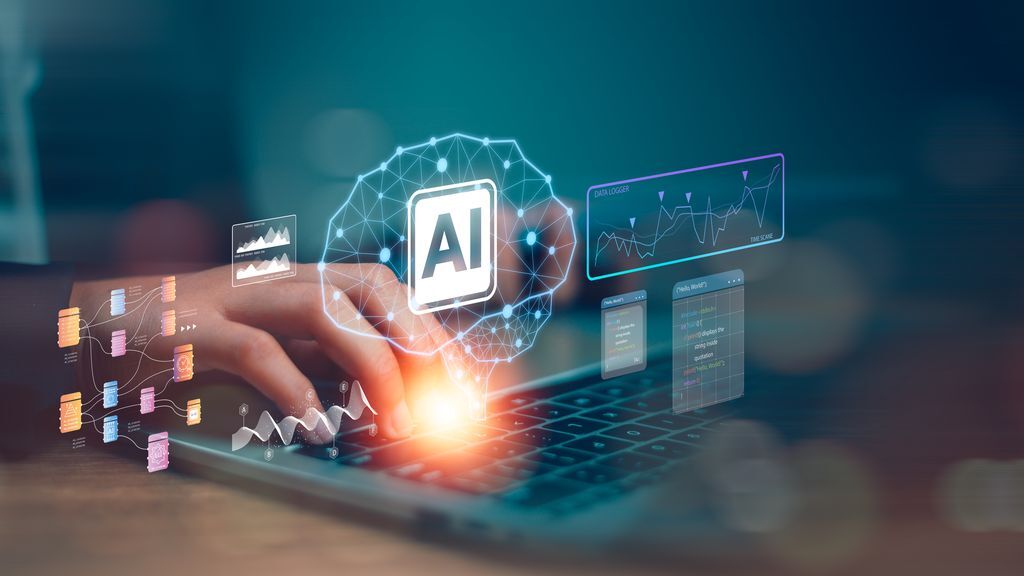
Identifying the Need for Automation
- Teams spending excessive time on repetitive, low-value tasks.
- Work slowing down significantly whenever a specific person is unavailable.
- Processes that cannot scale without adding more headcount.
- A heavy reliance on manual follow-ups to keep projects moving.
Our AI Solution & Automation Providers











The "Invisible Bottleneck" at Meridian Logistics
The "Invisible Bottleneck" at Meridian Logistics
A regional multi-specialty clinic was struggling with "administrative leakage", high-value clinicians were spending nearly 30% of their day on manual chart summaries and insurance authorizations. Despite a robust EHR, the "human-in-the-loop" requirement for coordinating care between primary doctors and specialists created a bottleneck that delayed patient treatment cycles by an average of eight days.
The organization implemented an agent-based AI layer that sat atop their existing systems. Instead of a new database, they deployed autonomous agents that monitored incoming laboratory results and automatically drafted physician summaries, flagging only the anomalies that required immediate clinical judgment. Within six months, the clinic reduced the treatment lead time by 40% and reclaimed nearly 10 hours per week for each lead physician, effectively increasing patient capacity without adding a single administrative headcount.
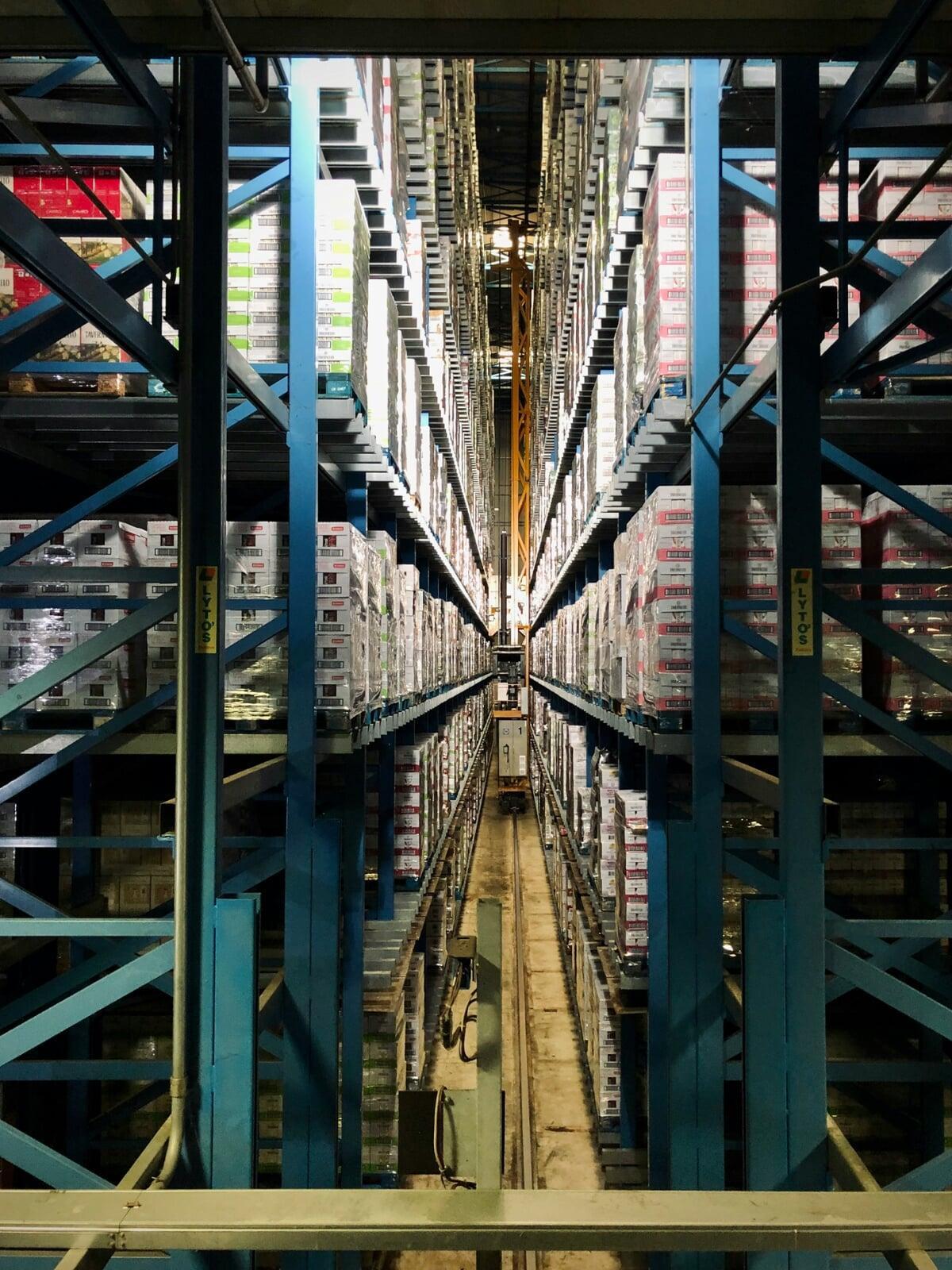
Closing the "Response Gap" in Mid-Market Logistics
Closing the "Response Gap" in Mid-Market Logistics
A national logistics provider specializing in cold-chain transport faced a common industry hurdle: the "Friday afternoon surge." Their customer service team was often overwhelmed by status requests, rerouting needs, and temperature-log verifications, leading to a 24-hour response lag over weekends. This lag was causing a measurable dip in contract renewals as clients felt "left in the dark" during critical transit windows.
By pivoting to a "Clarity Over Complexity" model, the company introduced an intelligent triage agent. This wasn't a standard chatbot; it was an integrated system capable of querying live telematics data and weather patterns to proactively email clients before they asked for an update. By automating 70% of routine status inquiries and handling the technical heavy lifting of data retrieval, the human support team was able to focus exclusively on complex rerouting exceptions. The result was a 25% increase in customer satisfaction scores and a significant reduction in "emergency" weekend overtime pay.
Orchestrating the Supply Chain in Precision Manufacturing
A mid-sized manufacturer of specialized aerospace components found their growth stalled by procurement volatility. Their purchasing team relied on a "chasing and checking" workflow, manually managing hundreds of spreadsheets to track vendor lead times and fluctuating raw material costs. A single delayed shipment of high-grade alloy often trickled down into weeks of production downtime.
The solution was the deployment of a procurement automation agent designed to provide "Universal Connectivity" across their vendor base. The AI agent monitored global supply signals and internal inventory levels in real-time, autonomously triggering RFQs and purchase orders when safety stock hit critical thresholds. By removing the manual intervention from the "predictable" parts of the supply chain, the company reduced its procurement cycle time by 50% and eliminated the production stoppages caused by human oversight. The transition moved the procurement team from reactive "firefighters" to strategic partners focused on long-term vendor negotiations.
